
Salt Air and Sun: Caring for Outdoor Tile on the San Diego Coast
From La Jolla to Imperial Beach, coastal exposure stains and dulls outdoor tile faster than most homeowners realise. A yearly clean and the right sealer keep patios and pool decks looking newly laid.
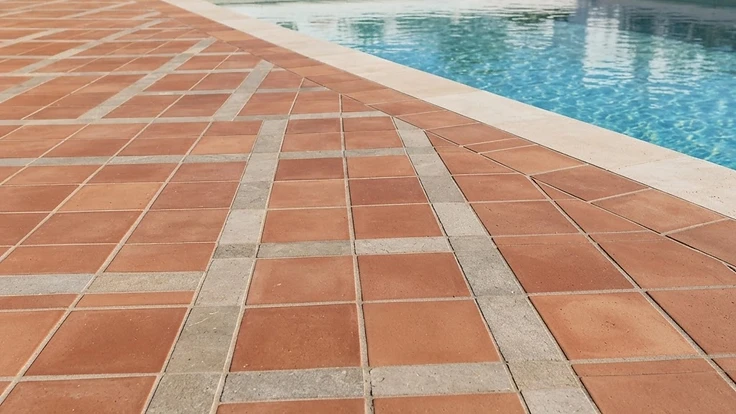
Living a few blocks from the ocean is one of the best things about San Diego — and one of the hardest things about owning tile. Coastal homes ask more of their outdoor surfaces than almost anywhere else: salt spray settles on every surface, morning dew and fog keep stone damp for hours, and our famous sun bakes the whole cycle in day after day. The tile that looked brand new at installation can look tired and patchy within a couple of seasons.
What coastal exposure actually does to tile and stone
- Salt deposits. Sea spray dries into a faint white film that dulls the surface. Worse, salt is hygroscopic — it pulls moisture out of the air and holds it against the stone, which feeds algae and keeps sealers from curing properly.
- UV exposure. Strong sun breaks down topical coatings and fades colour-treated sealers, leaving patios patchy where furniture and shade interrupt the exposure.
- Moisture cycling. Dew, fog and ocean humidity mean outdoor stone rarely stays fully dry. Trapped moisture brings efflorescence — the white, powdery mineral bloom that pushes up through concrete, terracotta and saltillo.
- Thermal swings. Surfaces that heat to over 50°C at midday and cool at night expand and contract daily, opening grout joints and micro-cracks that let moisture in deeper.
A simple maintenance calendar that works on the coast
- Monthly: hose or rinse patios and pool decks with fresh water. It sounds too simple to matter, but rinsing off salt before it accumulates is the single most effective habit for coastal tile.
- Each spring: a professional deep clean to strip the winter's build-up of salt, algae and efflorescence before resealing.
- Every one to two years: reseal, depending on the material. Saltillo and sandstone drink sealer and need it annually; dense porcelain and bluestone go longer.
- After any repaving or repair: always reseal the disturbed area — unsealed grout and stone fail fast in salt air.
Choosing the right sealer for a coastal home
A penetrating (impregnating) sealer soaks into the stone and protects from within, leaving the natural look and texture untouched — the right choice for most coastal stone and pavers. A topical sealer forms a film on the surface and can give a subtle sheen plus better stain resistance, but UV exposure degrades films faster at the coast, so they need more frequent renewal. The honest answer for most San Diego coastal homes is a high-quality penetrating sealer combined with realistic maintenance.
When it is time to call a professional
Black or green spots that return after cleaning (mould and algae rooted inside the stone), a recurring white bloom (efflorescence pushing up from below), or sealers that have gone patchy and dull are all past the DIY stage. Professional cleaning opens the pores, extracts the salt and biological growth, and reseals the surface so it can face another season by the water.
Want this handled professionally?
Our San Diego technicians clean, seal and restore tile and stone of every kind — with free, no-obligation quotes.